
Biomedical Science(1)
1. The smallest bone of the skull is:
σ½ Zygoma
σ¾ Lacrimal
σ½ Palatine
σ½ Mandible
2. How many foramens are in the mandible:
σ½ 2 foramens, Mandibular and infra-orbital foramens
σ½ 2 foramens, Mandibular and Incisive foramens
σ¾ 2 foramens, Mandibular and Mental foramens
σ½ 2 foramens, Mental and Incisive foramens
3. The most fragile bone of the face is:
σ½ Palatine bone
σ½ Mandible
σ¾ Lacrimal Bone
σ½ Maxilla
4. Zygomatic arch is formed by:
σ½ Temporal and Maxilla
σ¾ Zygoma and temporal
σ½ Zygoma and Maxilla
σ½ Temporal, Zygoma and Maxilla
5. Meninges is formed by:
σ½ Pia Mater
σ½ Dura Mater
σ½ Arachnoid Mater
σ¾ All of them
6. Subarachnoid Space is:
σ½ Above Pia Mater
σ½ Below Arachnoid Mater
σ½ Between Dura and Arachnoid Maters
σ¾ Between Arachnoid and Pia Maters
7. Cerebrospinal Fluid (CSF) is in:
σ½ Dura Mater
σ¾ Subarachnoid space
σ½ Extradural Space
σ½ Pia Mater
8. Artery supplies cranial dura mater is:
σ¾ Middle meningeal artery
σ½ Anterior meningeal artery
σ½ Posterior meningeal artery
σ½ Internal Carotid artery
9. The following sensory nerves are:
σ¾ Olfactory, Optic, and Vestibulocochlear
σ½ Trigeminal, Facial, Glossopharyngeal and Vagus
σ½ Oculomotor, Trochlear, Abducens, Accessory and Hypoglossal
σ½ Accessory and Hypoglossal
10. The following motor nerves are:
σ½ Olfactory, Optic and Vestibulocochlear
σ½ Trigeminal, Facial, Glossopharyngeal and Vagus
σ¾ Oculomotor, Trochlear, Abducens, Accessory, and Hypoglossal
σ½ Accessory and Hyphoglossal
11. Division 3 of CN V is running from:
σ½ Superior orbital fissure
σ½ Foramen Rotundum
σ¾ Foramen Ovale
σ½ Inferior orbital fissure
12. Division 1 of CN V is running from:
σ¾ Superior orbital fissure
σ½ Foramen Rotundum
σ½ Foramen Ovale
σ½ Infra-orbital foramen
13. Orbit and eye are innervated by:
σ½ Abducens nerve
σ½ Trochlear nerve and Oculomotor nerve
σ½ C. Optic nerve and ophthalmic nerve
σ¾ Abducens, Trochlear, Oculomotor, Optic and Ophthalmic nerve
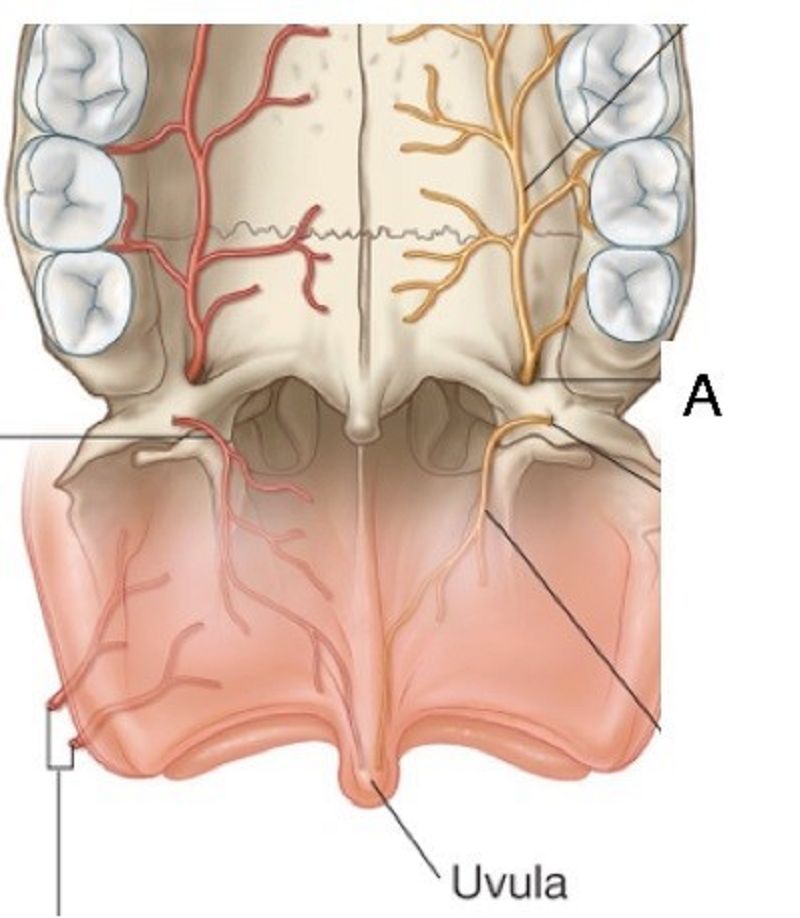
14. A is……………………………..
σ¾ Greater palatine foramen
σ½ Lesser palatine foramen
σ½ Nasopalatine foramen
σ½ Greater palatine nerve
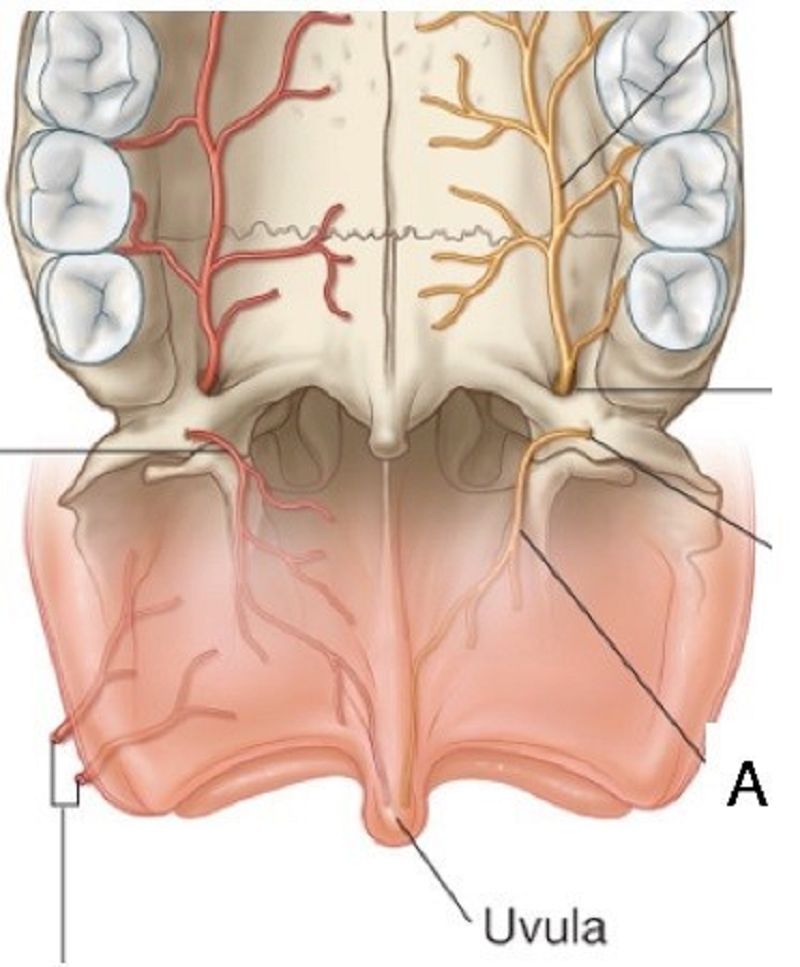
15. A is……………………………..
σ½ Incisive fossa
σ½ Nasopalatine nerve
σ¾ Lesser palatine nerve
σ½ Greater palatine nerve
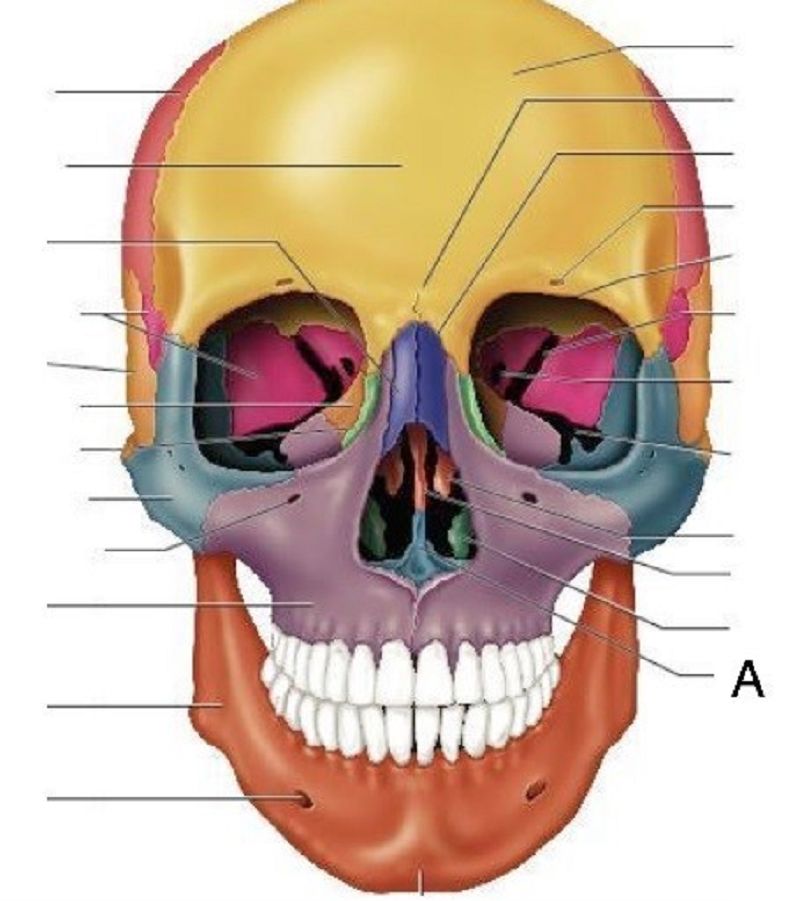
16. A is……………………………..
σ½ Nasal bone
σ¾ Vomer
σ½ Mandible
σ½ Palatine bone
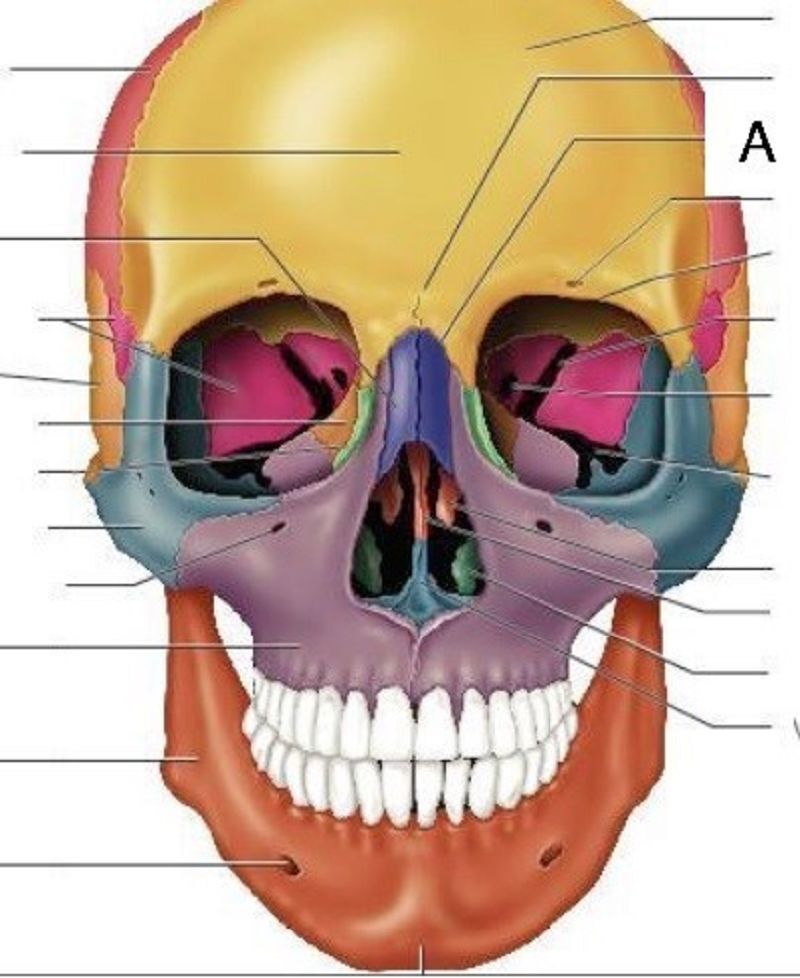
17. A is……………………………..
σ¾ Nasal bone
σ½ Lacrimal bone
σ½ Ethmoid bone
σ½ Sphenoid bone
18. Pathway between nasal cavity and nasopharynx is called
σ½ Nares (nostrils)
σ¾ Choanae (posterior nasal apertures)
σ½ Nasopharyngeal isthmus
σ½ Oropharyngeal isthmus
19. The anterior openings to the nasal cavities are
σ¾ Nares (nostrils)
σ½ Choanae (posterior nasal apertures)
σ½ Nasopharyngeal isthmus
σ½ Oropharyngeal isthmus
20. Boundary between oral cavity and oropharynx is
σ½ Nares (nostrils)
σ½ Choanae (posterior nasal apertures)
σ½ Nasopharyngeal isthmus
σ¾ Oropharyngeal isthmus
21. The nasopharynx is anteriorly to which spinal vertebrae?
σ¾ C1
σ½ C2-C3
σ½ C4-C6
σ½ C7
22. Salpingopharyngeus muscle is located
σ½ Styloid process
σ¾ Cartilaginous part of auditory tube
σ½ Palatine aponeurosis of soft palate
σ½ All are correct
23. Stylopharyngeus muscle is located
σ¾ Styloid process
σ½ Cartilaginous part of auditory tube
σ½ Palatine aponeurosis of soft palate
σ½ All are correct
24. Palatine tonsil is located between
σ¾ Palatoglossal and palatopharyngeal folds
σ½ Palatoglossal and salpingopharyngeal folds
σ½ Palatopharyngeal and salpingopharyngeal folds
σ½ Salpingopalatine and salpingopharyngeal folds
25. Temporalis muscle is innervated by
σ½ Masseteric nerve
σ¾ Deep temporal nerve
σ½ Pterygoid nerve
σ½ Posterior auricular nerve
26. Masseteric muscle is innervated by
σ¾ Masseteric nerve
σ½ Deep temporal nerve
σ½ Pterygoid nerve
σ½ Posterior auricular nerve
27. Lateral pterygoid muscle is innervated by
σ½ Masseteric nerve
σ½ Deep temporal nerve
σ¾ Pterygoid nerve
σ½ Posterior auricular nerve
28. Medial pterygoid muscle is innervated by
σ½ Masseteric nerve
σ½ Deep temporal nerve
σ¾ Pterygoid nerve
σ½ Posterior auricular nerve
29. All the following are true about parotid gland, EXCEPT
σ½ Largest salivary gland
σ¾ Mucous secretion
σ½ Extends from zygomatic arch down to upper neck
σ½ Deep and superficial parts
30. What are within parotid gland?
σ½ Internal carotid artery, External jugular vein and The last 4 cranial nerves
σ¾ External carotid artery, Retromandibular vein and Facial nerve
σ½ Internal carotid artery, Internal jugular vein and The last 4 cranial nerves
σ½ External carotid artery, Retromandibular artery and Facial nerve
31. Parotid gland’s duct also known as
σ¾ Stenson's duct
σ½ Wharton's duct
σ½ Bartholin's duct
σ½ All are incorrect
32. The opening of Stenson’s duct is at
σ½ Sublingual fold
σ½ Sublingual caruncle
σ¾ Opposite upper 2nd molar teeth
σ½ Floor of mouth on sublingual fold or into submandibular duct
33. A branch of temporo-facial division of CNVII is
σ¾ Temporal branch
σ½ Buccal branch
σ½ Marginal mandibular branch
σ½ Cervical branch
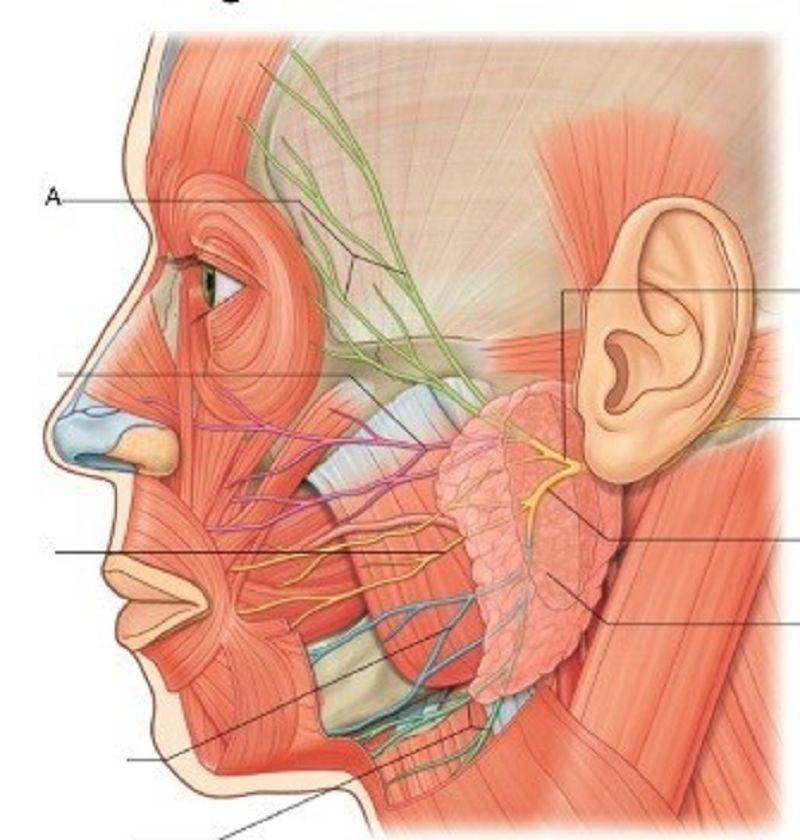
34. A is …………………………..
σ¾ Temporal branches
σ½ Zygomatic branches
σ½ Buccal branches
σ½ Marginal mandibular branches
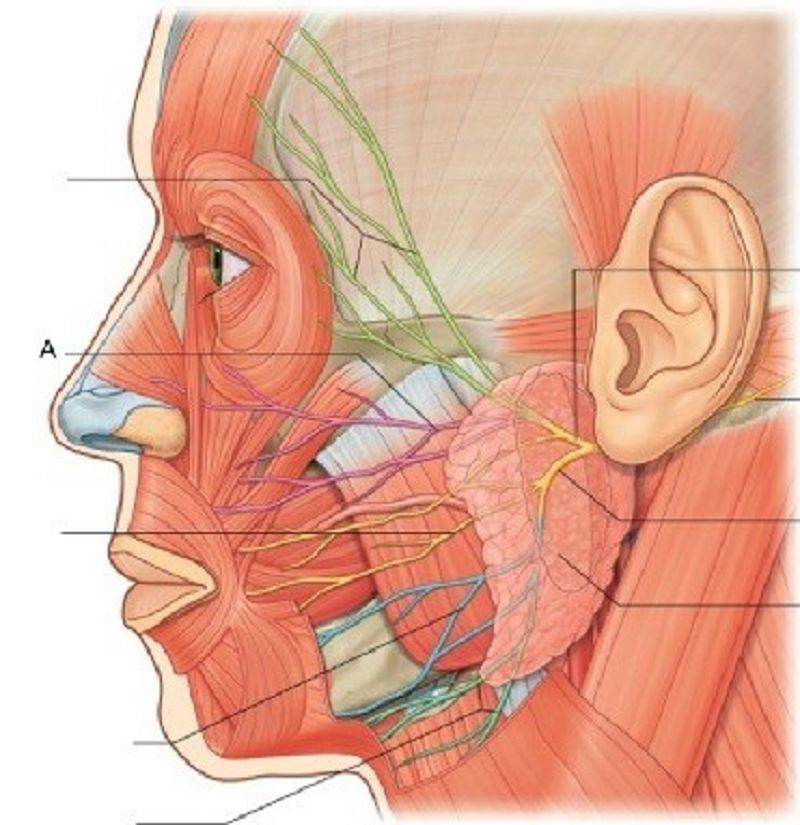
35. A is …………………………..
σ½ Temporal branches
σ¾ Zygomatic branches
σ½ Buccal branches
σ½ Marginal mandibular branches
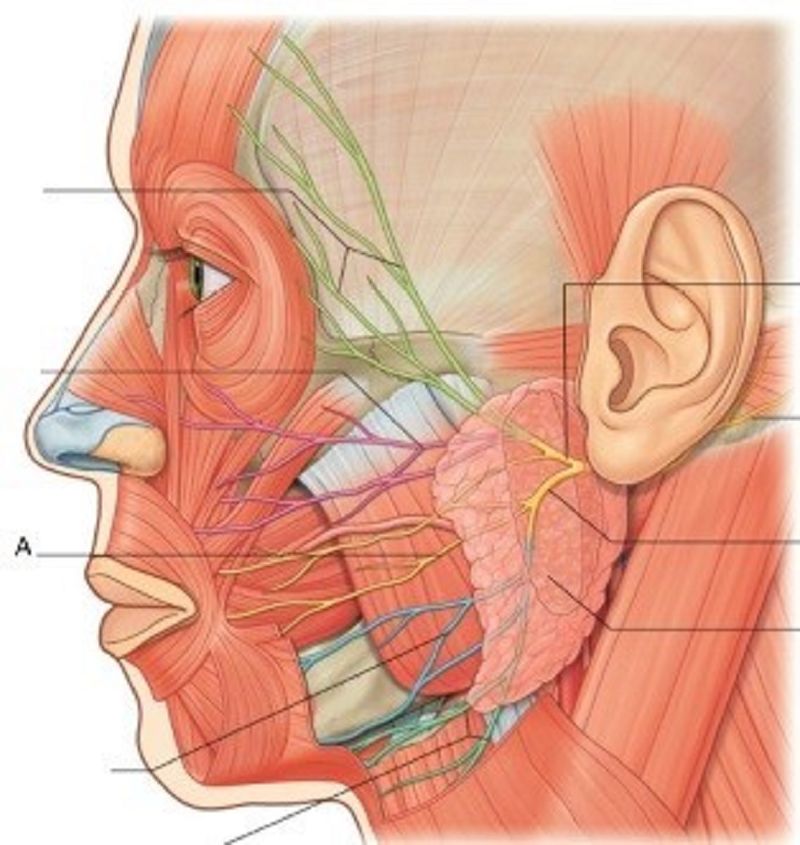
36. A is …………………………. v
σ½ Temporal branches
σ½ Zygomatic branches
σ¾ Buccal branches
σ½ Marginal mandibular branches
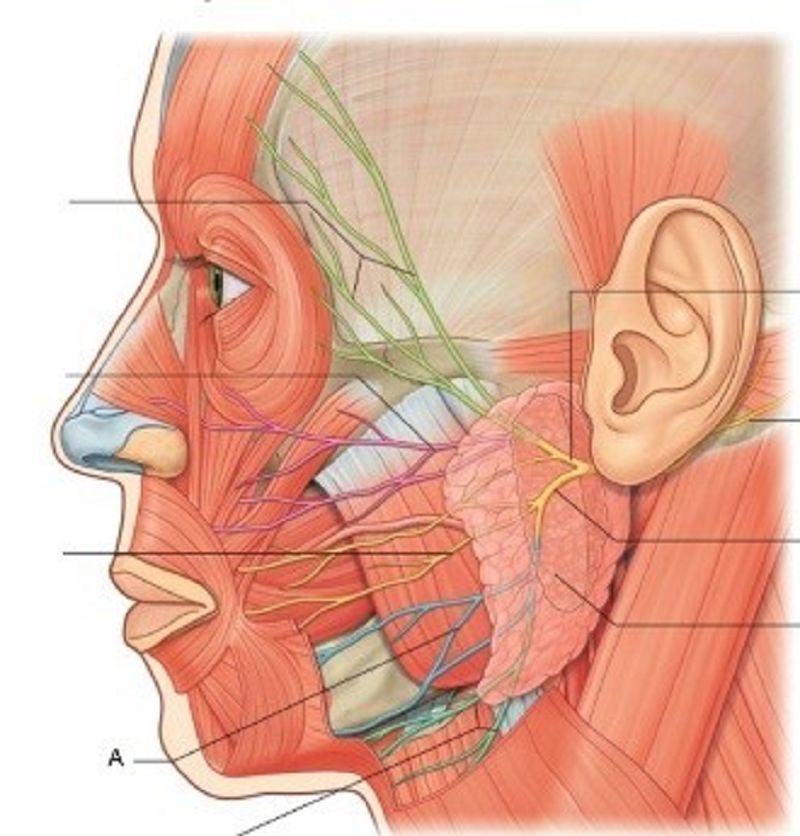
37. A is …………………………..
σ½ Temporal branches
σ½ Zygomatic branches
σ½ Buccal branches
σ¾ Marginal mandibular branches
38. Muscles of facial expression are innervated by
σ½ Trochlear nerve (CN IV)
σ½ Trigeminal nerve (CN V)
σ½ Abducen nerve (CN VI)
σ¾ Facial nerve (CN VII)
39. Muscles of mastication are innervated by
σ¾ Trigeminal nerve (CN V)
σ½ Trochlear nerve (CN IV)
σ½ Abducen nerve (CN VI)
σ½ Facial nerve (CN VII)
40. Which is the facial expression muscle around the eye?
σ¾ Orbicularis oculi
σ½ Nasalis muscle
σ½ Frontalis muscle
σ½ Procerus muscle
41. Which is the facial expression muscle around the eye?
σ½ Nasalis muscle
σ¾ Corrugator supercilli
σ½ Frontalis muscle
σ½ Procerus muscle
42. Which is the facial expression muscle around the nose?
σ½ Orbicularis oculi
σ½ Orbicularis oris
σ¾ Nasalis
σ½ Mentalis
43. All are muscles around the mouth, EXCEPT
σ½ Buccinator
σ½ Orbicularis oris
σ¾ Orbicularis oculi
σ½ Levator labii superioris
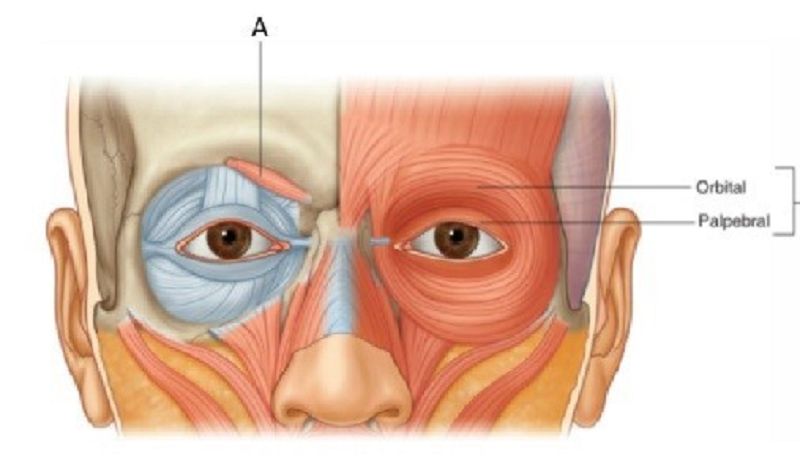
44. A is …………………………..
σ½ Orbicularis oculi
σ½ Orbicularis oris
σ¾ Corrugator supercilli
σ½ Mentalis
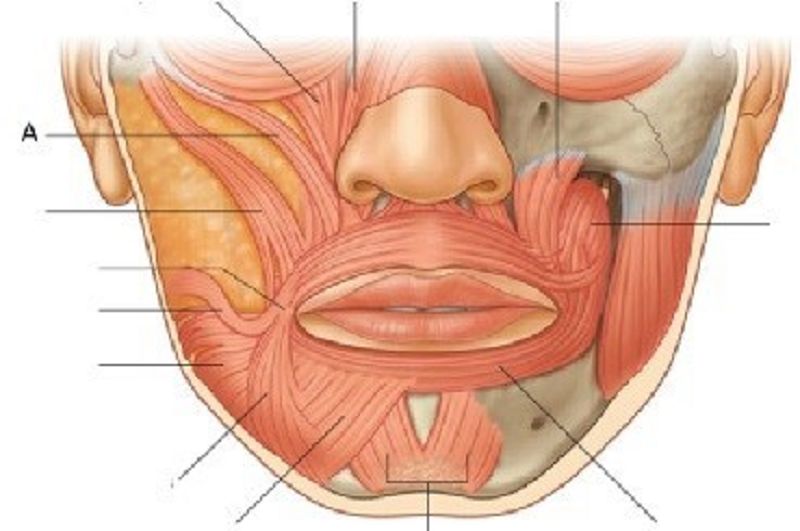
45. A is ………………………….
σ½ Levator labii superioris
σ¾ Zygomaticus minor
σ½ Zygomaticus major
σ½ Depressor anguli oris
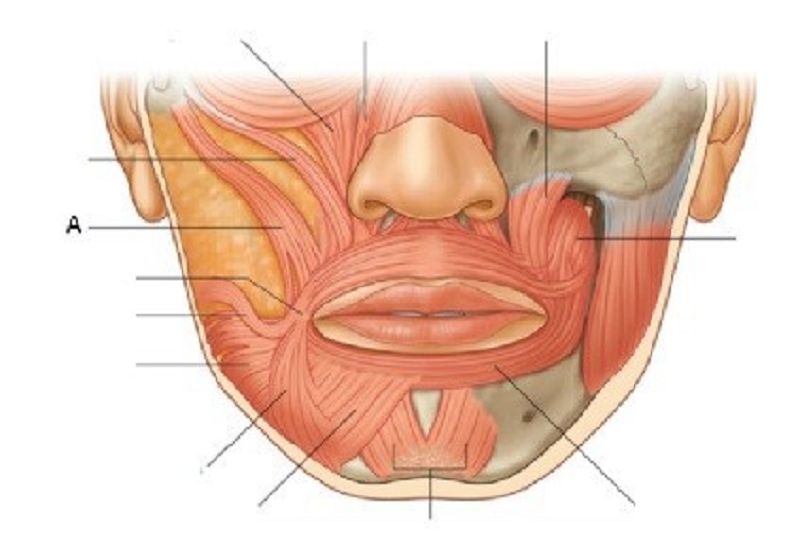
46. A is …………………………..
σ½ Levator labii superioris
σ½ Zygomaticus minor
σ¾ Zygomaticus major
σ½ Depressor anguli oris
47. មនុស្សស្រីម្នាក់អាយុ ២៩ឆ្នាំមានវត្តមាននៅក្នុងផ្នែកសង្គ្រោះបន្ទាន់ ED (Emergency Department )ដោយមានរបួសផ្នែកក្រោយនៃក្បាល។អ្នកជំងឺត្អូញត្អែថាឈឺក្បាលខ្លាំង ហើយគេបានបញ្ជូនគាត់ទៅផ្នែកថត MRI បង្ហាញថាមានហូរឈាមនៅក្នុងលលាដ៏ក្បាល ហើយ ការធ្វើ CT scan បង្ហាញថាមានបែកលលាដ៏ក្បាល (Skull)។ តើសរសៃឈាមណាដែលទាក់ទងក្នុងការហើម in an epidural hematoma?
σ½ Anterior communicating artery
σ½ Posterior cerebral artery
σ½ Anterior cerebara artery
σ½ Posterior communicating artery
σ¾ Middle meningeal artery
48. មនុស្សស្រីម្នាក់អាយុ ២៩ឆ្នាំមានវត្តមាននៅក្នុងផ្នែកសង្គ្រោះបន្ទាន់ ED( Emergency Department ) ដោយមានរបួស ផ្នែកក្រោយនៃក្បាល។ អ្នកជំងឺត្អូញត្អែថាឈឺក្បាលខ្លាំង ហើយគេបានបញ្ជូនគាត់ទៅ ផ្នែកថត MRI បង្ហាញថាមានហូរឈាម (Bleeding ) នៅក្នុងលលាដ៏ក្បាល ហើយ CT scan បង្ហាញថាមានបែកលលាដ៏ក្បាល។ រចនសម្ព័ន្ធទាំងអស់ខាងក្រោមមាននៅក្នុង posterior cranial fossa. លើកលែងតែ EXCEPT
σ½ Occipital lobes
σ½ Jugular foramen
σ½ Cerebellum
σ½ Hypoglossal canal
σ¾ Optic foramen
49. មនុស្សស្រីម្នាក់អាយុ២៩ឆ្នាំមានវត្តមាននៅក្នុងផ្នែកសង្គ្រោះបន្ទាន់ ED Emergency Departmentដោយមានរបួស ផ្នែកក្រោ យនៃក្បាល។ អ្នកជំងឺត្អូញត្អែថាឈឺក្បាលខ្លាំង ហើយគេបានបញ្ជូនគាត់ទៅ ផ្នែកថត MRI បង្ហាញថាមានហូរឈាម (Bleeding ) នៅក្នុងលលាដ៏ក្បាល ហើយ CT scan បង្ហាញ ថាមានបែកលលាដ៏ក្បាល។ សួរថាតើ Cranial nuclei នៃ Thalamus ដែលពាក់ព័ន្ធទៅនឹង Mediating facial sensation និងការឈឺចាប់ណាខ្លះ?
σ½ Ventral posterior medial nuclei (PM)
σ½ Ventral anterior nucleus
σ½ Lateral geniculate. nucleus
σ½ Ventral posterior lateral nuclei
σ¾ Ventral lateral nuclei
50. មនុស្សស្រីម្នាក់អាយុ ២៩ឆ្នាំ មានវត្តមាននៅក្នុងផ្នែកសង្គ្រោះបន្ទាន់ដោយមានរបួស ផ្នែកក្រោយនៃក្បាល។ អ្នកជំងឺត្អូញត្អែថាឈឺក្បាលខ្លាំង ហើយគេបានបញ្ជូនគាត់ទៅ ផ្នែកថត MRI បង្ហាញថាមានហូរឈាមនៅក្នុងលលាដ៏ក្បាល ហើយ CT scan បង្ហាញថាមាន បែកលលាដ៏ក្បាល។ សួរថាតើ Cranial nuclei of the thalamus ណាខ្លះដែលពាក់ព័ន្ធទៅនឹង mediating facial senation and pian? ទាំងអស់នៅខាងក្រោមនេះគឺជា Brainstem nuclei ពាក់ព័ន្ធទៅនឹងមុខងារនៃ Crania nerve លើកលែងតែ
σ½ Superior salivatory nucleus
σ½ Nucleus ambiguus
σ½ Nucleus of the sotitary tract
σ¾ Ventromedial nucleus
σ½ Inferior salivatary nucleus
{"name":"Biomedical Science(1)", "url":"https://www.supersurvey.com/QPREVIEW","txt":"1. The smallest bone of the skull is:, 2. How many foramens are in the mandible:, 3. The most fragile bone of the face is:","img":"https://www.supersurvey.com/3012/CDN/91-4449498/11.jpg?sz=1200"}